02 January, 2026 |
Everest Base Camp Trek for Beginners: Is It Suitable For You?
Everest Base Camp Trek for Beginners: Is It Suitable For You?
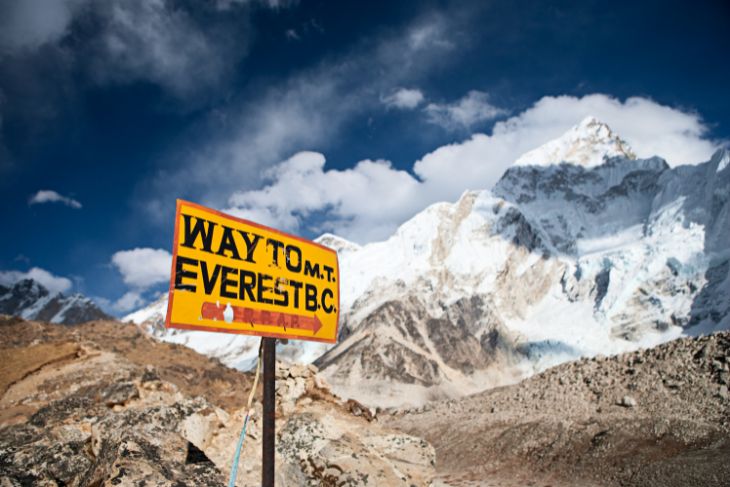
Trekking to the foot of the world’s highest peak is a dream for many, yet it often feels like an impossible feat reserved for elite mountaineers. If you have never hiked before, the images of icy winds and towering peaks can be intimidating. However, the reality of the Everest Base Camp (EBC) trail is far more accessible than most imagine. It is an iconic excursion that offers a transformative experience for novice adventurers willing to challenge themselves.
Do Beginners Trek to Everest Base Camp?
The short answer is a resounding yes. Every year, thousands of first-time trekkers with no prior experience reach the base of Mt. Everest safely. While the name "Everest" conjures images of ropes and vertical climbs, the EBC trek is actually a long-distance walk on well-established trails.
Key reasons why beginners can succeed at EBC include:
- Non-Technical Terrain: You do not need technical climbing skills or mountaineering experience; it is essentially a high-altitude hike.
- Established Infrastructure: The trail is well-trodden and winds through villages filled with supportive teahouses.
- Professional Support: Since 2023, hiring a licensed guide is mandatory, providing beginners with an essential safety net and logistical assistance.
- Gradual Pace: The "slowly, slowly" (or bistari, bistari) mantra is the key to reaching the top, allowing regular people to succeed through persistence rather than speed.
While it is achievable, it is not "easy". The trek is graded as moderately difficult to challenging because of the high altitude and consecutive days of walking. Success is less about being an elite athlete and more about preparation, patience, and a willingness to step out of your comfort zone.
Understanding the Everest Base Camp Trail
To decide if this trek is for you, you must understand the geography and logistics of the journey. The trek typically begins with a scenic but unpredictable flight from Kathmandu to Lukla (2,800 m / 9,200 ft.), known as the gateway to the Khumbu region. From there, you embark on a round-trip journey of approximately 130 kilometers (80 miles).
The trail winds through the Sagarmatha National Park, a protected area featuring diverse landscapes. You will traverse sub-tropical forests and cross high suspension bridges over roaring rivers in the lower regions. As you ascend, the greenery gives way to alpine meadows, eventually turning into a rugged environment of rocky moraines and glaciers.
Logistical Essentials for Beginners:
- Highest Point: The trek culminates at Kala Patthar (5,644 m / 18,519 ft.), which offers the most accessible close-up view of Mount Everest.
- Permit Requirements: Beginners need two main permits: the Sagarmatha National Park Entry Permit and the Khumbu Pasang Lhamu Rural Municipality Permit.
- Best Seasons: The most successful treks occur during Spring (March to May) and Autumn (September to November). Spring offers blooming rhododendrons and warmer days, while Autumn is famous for its crisp air and unmatched visibility.
- Cost: A guided trek typically costs between $1,200 to $2,400, covering permits, flights, accommodation, and meals.
What First-Time Trekkers Should Expect on the EBC Trail
Life on the trail follows a simple, rewarding rhythm: walk, eat, rest, and repeat. As a beginner, you should mentally prepare for a lifestyle that is far removed from modern city comforts.
The Teahouse Experience
You will stay in teahouses, which are simple, family-run lodges. Rooms are basic, usually featuring two twin beds with thin walls that do not block sound or cold. While dining halls are often heated by a central stove fueled by yak dung, the bedrooms remain unheated, making a high-quality sleeping bag rated for -10°C essential.
Food and Hydration
Food is the fuel that keeps you moving. Most teahouses offer a surprisingly varied menu including pancakes, pasta, and momos (dumplings). However, the staple of the trail is Dal Bhat (lentil soup, rice, and vegetables). It is nutritious, high in carbohydrates, and usually comes with free refills, earning it the nickname "Dal Bhat Power, 24 Hour".
- Vegetarian Focus: Beginners are strongly advised to stick to vegetarian meals above Namche Bazaar because meat is carried up by porters without refrigeration and can cause stomach issues.
- Water Safety: You must drink 3 to 4 liters of water daily to combat altitude. Never drink tap water; use purification tablets, filters, or buy boiled water from teahouses.
Trail Dynamics
Expect to walk for 5 to 7 hours a day. The trail is shared with local Sherpas, fellow adventurers, and traffic jams of yaks and mules.
Pro Tip: Always hug the uphill side when passing animals to avoid being pushed toward a cliff edge.
Other Necessary Informations
Main Activities: Long-distance trekking and scenic mountain walks
Trip Length: Approximately 12 to 16 days
Initial Altitude: About 2,800 metres (9,200 feet) at Lukla
Highest Point Reached: 5,644 metres (18,519 feet) at Kala Patthar
Trip Begins and Ends In: Kathmandu
Ideal Seasons: Spring (March to early May) and autumn (September to early December)
Trek Difficulty: Ranges from moderate to demanding
Places to Stay: Mountain teahouses during the trek and hotels in Kathmandu
Travel Mode: Flights to and from Lukla, plus private transport within Kathmandu
Essential Gear Checklist for Beginners
- Footwear: Sturdy, waterproof trekking boots (broken in beforehand) and several pairs of thermal socks.
- Clothing: A layering system consisting of thermal base layers, fleece mid-layers, and a waterproof/windproof outer shell.
- Equipment: A 4-season sleeping bag, trekking poles (to save your knees), and a reliable headlamp.
- Personal: High-SPF sunscreen, lip balm, wet wipes (for "dry showers"), and a personal first-aid kit.
The Everest Base Camp trek is not just about reaching a destination; it is a journey of self-discovery. With the right planning, a steady pace, and a professional guide, this legendary trail is waiting for you.
Physical and Mental Readiness for the Everest Base Camp Trek
You do not need to be an athlete, but you cannot successfully complete this trek without training. Physical preparation is what separates a grueling experience from an enjoyable one.
Physical Preparation
Start your training at least 8 to 12 weeks before departure.
- Cardiovascular Stamina: Focus on activities like walking, jogging, cycling, or swimming to build endurance.
- Simulate the Trail: If you live in a flat area, use stairs or a treadmill with an incline to simulate uphill climbing.
- Train with a Pack: Gradually get used to carrying a daypack (about 5–10 kg) packed with essentials like water and extra layers.
- Leg Strength: Incorporate squats, lunges, and planks to strengthen the muscles used for long descents and steep climbs.
Mental Readiness
The EBC trek is as much a test of your mind as your body. Beginners often struggle with early wake-up calls, basic toilet facilities, and the exhaustion that comes with thin air.
- Manage Expectations: Understand that you will be cold, tired, and perhaps a bit uncomfortable.
- Focus on the Present: Practice mindfulness or yoga to help stay calm when the terrain gets tough.
- Positive Attitude: Celebrate small victories, like reaching a new village or catching a glimpse of a peak through the clouds.
Best Everest Base Camp Itinerary for New Trekkers
For beginners, a 14 to 16-day itinerary is highly recommended. Rushing the trek is the most common reason for failure.
- Day 1-2: Arrival in Kathmandu and final gear checks.
- Day 3: Fly to Lukla and trek to Phakding (2,652 m).
- Day 4: Trek to Namche Bazaar (3,440 m). This is a steep and demanding day.
- Day 5: Acclimatization Day in Namche. Hike to the Everest View Hotel (3,880 m) for your first clear look at the peak, then return to Namche to sleep.
- Day 6-7: Trek to Tengboche and then to Dingboche (4,410 m).
- Day 8: Acclimatization Day in Dingboche. Hike to Nagarjun Hill or Nangkatshang Peak (over 5,000 m) to help your body adapt to the "thin air".
- Day 9: Trek to Lobuche.
- Day 10: Trek to Gorak Shep and continue to Everest Base Camp (5,364 m) before returning to Gorak Shep to sleep.
- Day 11: Sunrise hike to Kala Patthar (5,644 m) for the ultimate views, then descend to Pheriche.
- Day 12-14: Trek back down to Namche and Lukla for your flight back to Kathmandu.
Note: Always include a buffer day in your travel plans in case of flight delays at Lukla, which are common due to weather.
Health, Safety, and Altitude Awareness for Beginner Trekkers
The greatest challenge on the EBC trail isn't the distance—it's the altitude. At Base Camp, there is roughly half the oxygen available compared to sea level.
Understanding Altitude Sickness (AMS)
Acute Mountain Sickness (AMS) can affect anyone regardless of fitness, age, or experience.
- Symptoms: Watch for headaches (the first sign), nausea, dizziness, fatigue, and loss of appetite.
- Prevention: The golden rules are to ascend slowly, stay hydrated, and include acclimatization days.
- Climb High, Sleep Low: On rest days, hike to a higher viewpoint and then return to a lower altitude to sleep.
Safety and Medical Support
- Guides: A guide monitors your oxygen levels with a pulse oximeter and can recognize early symptoms of AMS that you might ignore.
- Medication: Consult a doctor about Diamox, which can help your body adjust to the altitude.
- Insurance: This is non-negotiable. You must have travel insurance that covers high-altitude trekking up to 6,000 meters and helicopter evacuation. Without it, a medical emergency can be financially devastating.
Everest Base Camp Trek for Beginners: Is It Suitable For You?
Trekking to the foot of the world’s highest peak is a dream for many, yet it often feels like an impossible feat reserved for elite mountaineers. If you have never hiked before, the images of icy winds and towering peaks can be intimidating. However, the reality of the Everest Base Camp (EBC) trail is far more accessible than most imagine. It is an iconic excursion that offers a transformative experience for novice adventurers willing to challenge themselves.
Do Beginners Trek to Everest Base Camp?
The short answer is a resounding yes. Every year, thousands of first-time trekkers with no prior experience reach the base of Mt. Everest safely. While the name "Everest" conjures images of ropes and vertical climbs, the EBC trek is actually a long-distance walk on well-established trails.
Key reasons why beginners can succeed at EBC include:
- Non-Technical Terrain: You do not need technical climbing skills or mountaineering experience; it is essentially a high-altitude hike.
- Established Infrastructure: The trail is well-trodden and winds through villages filled with supportive teahouses.
- Professional Support: Since 2023, hiring a licensed guide is mandatory, providing beginners with an essential safety net and logistical assistance.
- Gradual Pace: The "slowly, slowly" (or bistari, bistari) mantra is the key to reaching the top, allowing regular people to succeed through persistence rather than speed.
While it is achievable, it is not "easy". The trek is graded as moderately difficult to challenging because of the high altitude and consecutive days of walking. Success is less about being an elite athlete and more about preparation, patience, and a willingness to step out of your comfort zone.
Understanding the Everest Base Camp Trail
To decide if this trek is for you, you must understand the geography and logistics of the journey. The trek typically begins with a scenic but unpredictable flight from Kathmandu to Lukla (2,800 m / 9,200 ft.), known as the gateway to the Khumbu region. From there, you embark on a round-trip journey of approximately 130 kilometers (80 miles).
The trail winds through the Sagarmatha National Park, a protected area featuring diverse landscapes. You will traverse sub-tropical forests and cross high suspension bridges over roaring rivers in the lower regions. As you ascend, the greenery gives way to alpine meadows, eventually turning into a rugged environment of rocky moraines and glaciers.
Logistical Essentials for Beginners:
- Highest Point: The trek culminates at Kala Patthar (5,644 m / 18,519 ft.), which offers the most accessible close-up view of Mount Everest.
- Permit Requirements: Beginners need two main permits: the Sagarmatha National Park Entry Permit and the Khumbu Pasang Lhamu Rural Municipality Permit.
- Best Seasons: The most successful treks occur during Spring (March to May) and Autumn (September to November). Spring offers blooming rhododendrons and warmer days, while Autumn is famous for its crisp air and unmatched visibility.
- Cost: A guided trek typically costs between $1,200 to $2,400, covering permits, flights, accommodation, and meals.
What First-Time Trekkers Should Expect on the EBC Trail
Life on the trail follows a simple, rewarding rhythm: walk, eat, rest, and repeat. As a beginner, you should mentally prepare for a lifestyle that is far removed from modern city comforts.
The Teahouse Experience
You will stay in teahouses, which are simple, family-run lodges. Rooms are basic, usually featuring two twin beds with thin walls that do not block sound or cold. While dining halls are often heated by a central stove fueled by yak dung, the bedrooms remain unheated, making a high-quality sleeping bag rated for -10°C essential.
Food and Hydration
Food is the fuel that keeps you moving. Most teahouses offer a surprisingly varied menu including pancakes, pasta, and momos (dumplings). However, the staple of the trail is Dal Bhat (lentil soup, rice, and vegetables). It is nutritious, high in carbohydrates, and usually comes with free refills, earning it the nickname "Dal Bhat Power, 24 Hour".
- Vegetarian Focus: Beginners are strongly advised to stick to vegetarian meals above Namche Bazaar because meat is carried up by porters without refrigeration and can cause stomach issues.
- Water Safety: You must drink 3 to 4 liters of water daily to combat altitude. Never drink tap water; use purification tablets, filters, or buy boiled water from teahouses.
Trail Dynamics
Expect to walk for 5 to 7 hours a day. The trail is shared with local Sherpas, fellow adventurers, and traffic jams of yaks and mules. Pro tip: Always hug the uphill side when passing animals to avoid being pushed toward a cliff edge.
Physical and Mental Readiness for the Everest Base Camp Trek
You do not need to be an athlete, but you cannot successfully complete this trek without training. Physical preparation is what separates a grueling experience from an enjoyable one.
Physical Preparation
Start your training at least 8 to 12 weeks before departure.
- Cardiovascular Stamina: Focus on activities like walking, jogging, cycling, or swimming to build endurance.
- Simulate the Trail: If you live in a flat area, use stairs or a treadmill with an incline to simulate uphill climbing.
- Train with a Pack: Gradually get used to carrying a daypack (about 5–10 kg) packed with essentials like water and extra layers.
- Leg Strength: Incorporate squats, lunges, and planks to strengthen the muscles used for long descents and steep climbs.
Mental Readiness
The EBC trek is as much a test of your mind as your body. Beginners often struggle with early wake-up calls, basic toilet facilities, and the exhaustion that comes with thin air.
- Manage Expectations: Understand that you will be cold, tired, and perhaps a bit uncomfortable.
- Focus on the Present: Practice mindfulness or yoga to help stay calm when the terrain gets tough.
- Positive Attitude: Celebrate small victories, like reaching a new village or catching a glimpse of a peak through the clouds.
Health, Safety, and Altitude Awareness for Beginner Trekkers
The greatest challenge on the EBC trail isn't the distance—it's the altitude. At Base Camp, there is roughly half the oxygen available compared to sea level.
Understanding Altitude Sickness (AMS)
Acute Mountain Sickness (AMS) can affect anyone regardless of fitness, age, or experience.
- Symptoms: Watch for headaches (the first sign), nausea, dizziness, fatigue, and loss of appetite.
- Prevention: The golden rules are to ascend slowly, stay hydrated, and include acclimatization days.
- Climb High, Sleep Low: On rest days, hike to a higher viewpoint and then return to a lower altitude to sleep.
Safety and Medical Support
- Guides: A guide monitors your oxygen levels with a pulse oximeter and can recognize early symptoms of AMS that you might ignore.
- Medication: Consult a doctor about Diamox, which can help your body adjust to the altitude.
- Insurance: This is non-negotiable. You must have travel insurance that covers high-altitude trekking up to 6,000 meters and helicopter evacuation. Without it, a medical emergency can be financially devastating.
Best Everest Base Camp Itinerary for New Trekkers
For beginners, a 14 to 16-day itinerary is highly recommended. Rushing the trek is the most common reason for failure.
- Day 1-2: Arrival in Kathmandu and final gear checks.
- Day 3: Fly to Lukla and trek to Phakding (2,652 m).
- Day 4: Trek to Namche Bazaar (3,440 m). This is a steep and demanding day.
- Day 5: Acclimatization Day in Namche. Hike to the Everest View Hotel (3,880 m) for your first clear look at the peak, then return to Namche to sleep.
- Day 6-7: Trek to Tengboche and then to Dingboche (4,410 m).
- Day 8: Acclimatization Day in Dingboche. Hike to Nagarjun Hill or Nangkatshang Peak (over 5,000 m) to help your body adapt to the "thin air".
- Day 9: Trek to Lobuche.
- Day 10: Trek to Gorak Shep and continue to Everest Base Camp (5,364 m) before returning to Gorak Shep to sleep.
- Day 11: Sunrise hike to Kala Patthar (5,644 m) for the ultimate views, then descend to Pheriche.
- Day 12-14: Trek back down to Namche and Lukla for your flight back to Kathmandu.
Note: Always include a buffer day in your travel plans in case of flight delays at Lukla, which are common due to weather.
Essential Gear Checklist for Beginners
- Footwear: Sturdy, waterproof trekking boots (broken in beforehand) and several pairs of thermal socks.
- Clothing: A layering system consisting of thermal base layers, fleece mid-layers, and a waterproof/windproof outer shell.
- Equipment: A 4-season sleeping bag, trekking poles (to save your knees), and a reliable headlamp.
- Personal: High-SPF sunscreen, lip balm, wet wipes (for "dry showers"), and a personal first-aid kit.
The Everest Base Camp trek is not just about reaching a destination; it is a journey of self-discovery. With the right planning, a steady pace, and a professional guide, this legendary trail is waiting for you.
Analogy for Understanding Altitude: Think of your body like an old car engine trying to drive up a steep mountain. As you go higher, the air (fuel) becomes thinner. If you floor the gas pedal and try to race to the top, the engine will overheat and stall. However, if you shift into a low gear and drive up slowly, giving the engine frequent breaks to cool down, you can eventually reach the summit of even the highest pass.

Comments (0)